

Designing Pediatric Spaces to Calm Kids and Serve Special-Needs Patients
Pediatric dentistry has always been the specialty where the chair has to do the most emotional work. The patient is small, the anxiety is enormous, and the parent is often more nervous than the child. Add in the growing share of special-needs patients — autism, intellectual developmental disabilities, sensory-processing differences, complex medical comorbidities — and the operatory itself becomes part of the treatment plan.
The AAPD 2025–2026 Reference Manualupdated several behavioral management and protective stabilization sections this cycle. The ADA also released updated sedation and anesthesia guidelines in April 2026, with tighter ASA fasting recommendations, weight-based dosing documentation, and supplemental-oxygen expectations through general anesthesia. If your operatory wasn't built around these realities, this is the year to reassess.
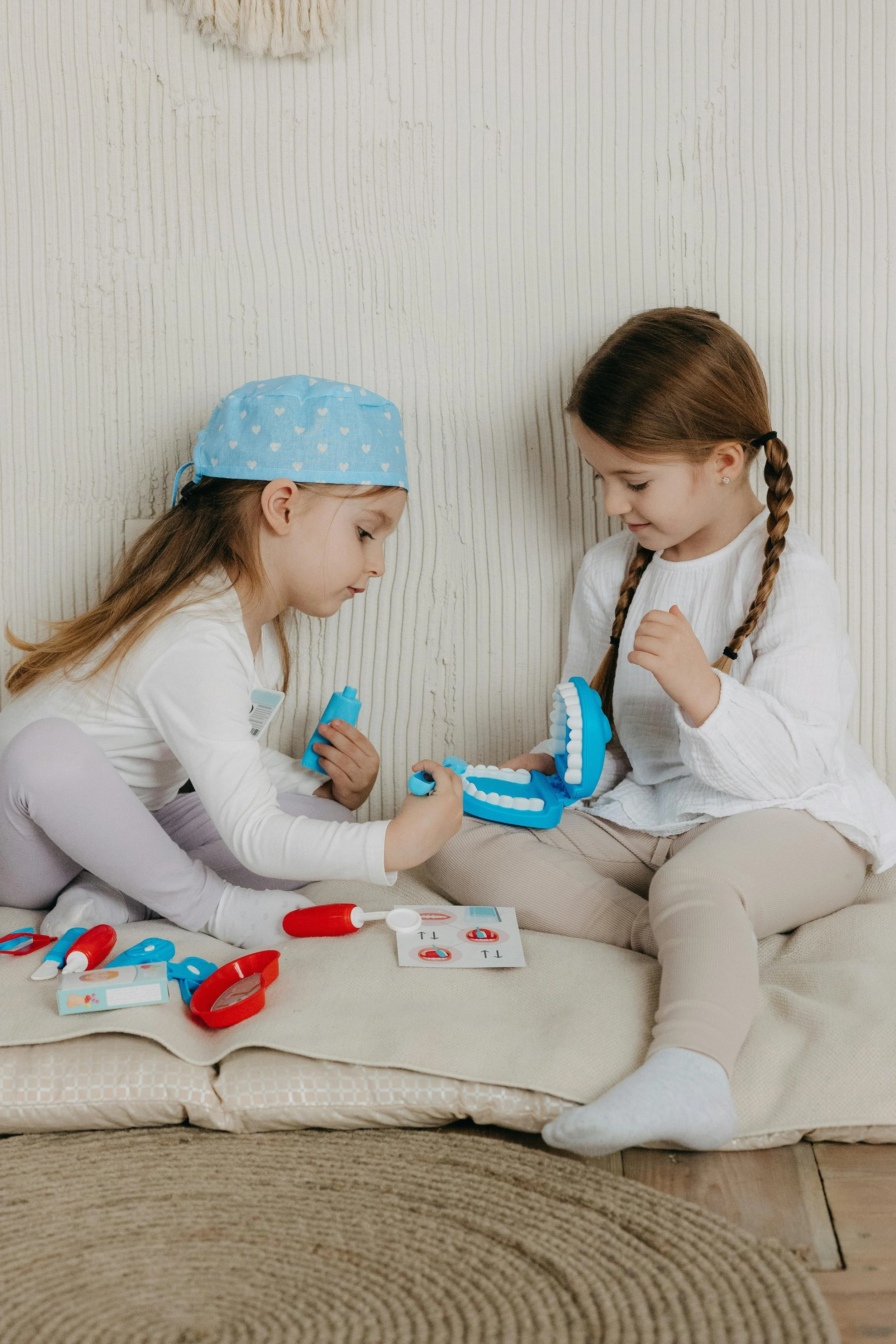
Why the chair matters more in pediatrics than anywhere else
In adult dentistry, the chair is a clinical platform. In pediatric dentistry, it's also a behavioral tool. A child who feels safe in the chair is a child you can treat. A child who doesn't is a no-show or even a sedation case. The economics of pediatric practice are unforgiving here: every behavioral failure costs hours of chair time you can't bill, drives parent attrition, and creates outsized stress on your team.
Boyd's pediatric exam and treatment chairs — including the M3000LS — were designed against this exact problem. The base is narrow enough for a parent to sit close if needed. The recline is fast enough that you can position quickly during a brief window of cooperation. The upholstery is friendly to the visual and tactile sensitivities common in children with autism. This was all considered intentionally during our design process.
The 2026 pediatric chair checklist
1. Recline speed and smoothness
Children give you a window— sometimes 30 seconds— when they'll cooperate. A slow chair burns that window. The M3000LS reclines up to 35% faster than legacy pediatric chairs. That's the difference between catching the cooperation window and missing it.
2. Headrest stability for sedation
Under the new ADA sedation guidelines, supplemental oxygen and weight-based monitoring are required across moderate sedation through general anesthesia. The chair has to hold a stable airway position. A wobbling headrest under a sedated child is not just a clinical risk — it's a documentation problem if anything goes wrong.
3. Upholstery selection that serves sensory profiles
Children with sensory-processing differences will refuse a chair that looks visually overwhelming or feels wrong. Boyd's pediatric upholstery options include calmer color palettes specifically chosen for sensory-friendly operatories, alongside the traditional bright-color palettes for general pediatric practice. Your operatory should have both options across treatment rooms — not one universal style.
4. Behavioral management compatibility
Protective stabilization, lap protection, and parent-present positioning all interact with the chair. Make sure your chair allows clean behavioral management techniques without forcing improvisation. The AAPD 2025–2026 manual is explicit that protective stabilization should be planned, not reactive.
5. Cleanability under nitrous and topical loads
Pediatric chairs see more spills, more saliva, more sealants, and more lap-pad contamination than any other operatory. The upholstery has to be sealed, seamless, and chemically compatible with the cleaners your team actually uses (not the ones your manufacturer recommends in fine print).
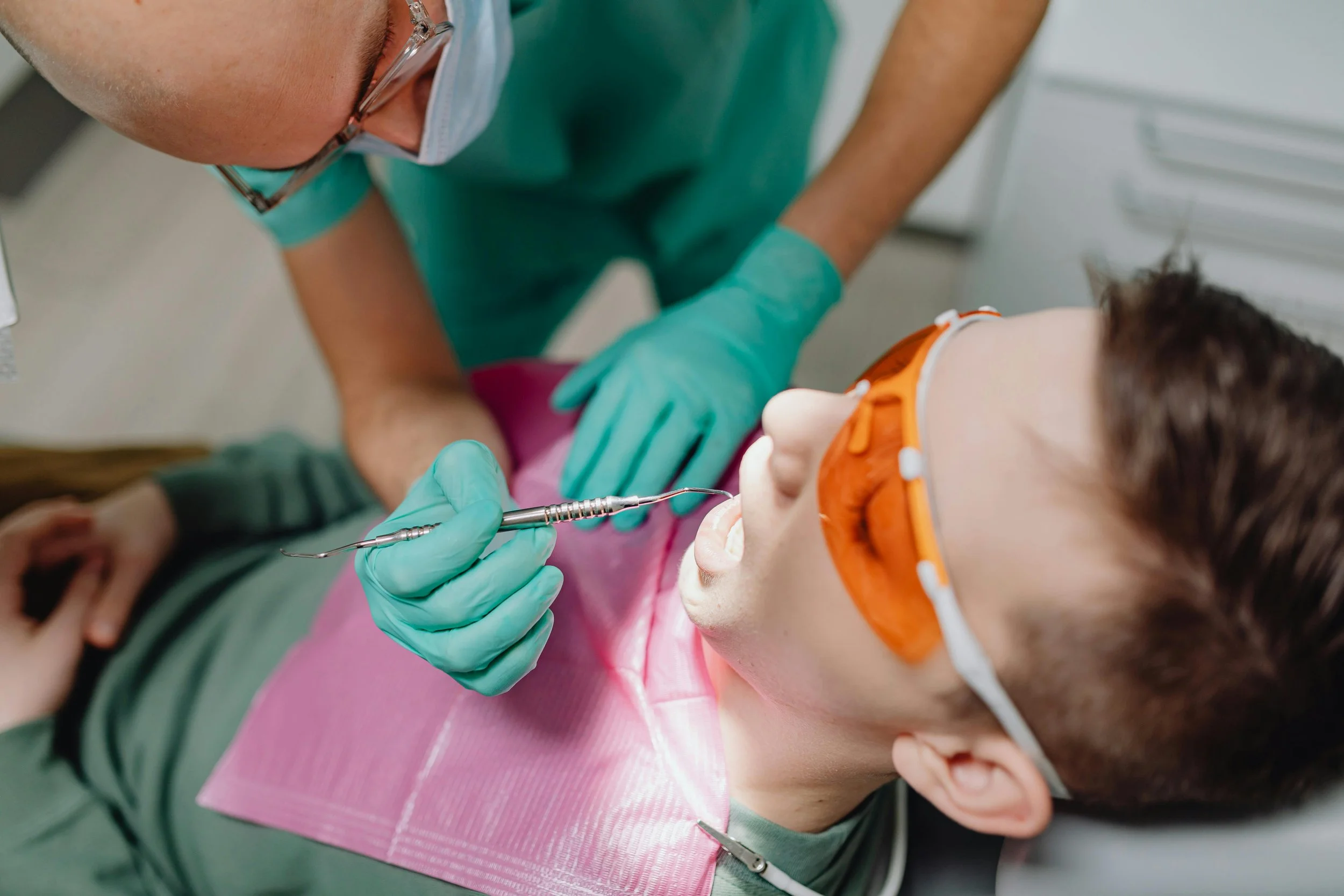
The special-needs operatory inside your operatory
If you're treating children with autism or developmental differences, you already know the standard pediatric room is sometimes the wrong room. Forward-thinking practices are designating one operatory as the sensory-friendly room: dimmable lighting, quieter delivery system, calmer upholstery, fewer visual stimuli on the walls. The chair anchors that room.
Boyd's pediatric line lets you spec a sensory-friendly room without buying different chairs for it. We can configure cabinetry, upholstery colors, and delivery system noise profiles per operatory. Talk to a specialist through the pediatric dentistry product page about a configurable build.
Cabinetry decisions pediatric practices get wrong
Two mistakes show up over and over:
Open shelving with visible instruments. Children's anxiety spikes when they see what's coming. Closed cabinetry, glove-friendly drawer pulls, and instrument staging out of sight reduce reactivity dramatically.
Standard adult sterilization layouts. Pediatric practices have higher visit volume but shorter procedures. Your sterilization workflow should be optimized for fast turnover, not surgical caseload depth.
We design custom cabinetry specifically for pediatric workflow patterns — fast turnover, clear instrument staging, parent-line-of-sight management. It's one of the under-discussed reasons pediatric practices that switch to Boyd see meaningful chair-time gains.
The DSO and group-practice angle
Pediatric dental DSOs are growing fast. If you're standardizing across multiple offices, the chair becomes the brand. A consistent, calming, sensory-aware chair across every site is part of how you reduce attrition (parents notice), train staff faster, and get more efficient operatory turnover.
Boyd has been a leader in pediatric specialty equipment for decades — the team builds every product in our Clearwater, Florida factory, and we've supplied the equipment for some of the most respected pediatric programs in the U.S.
The bottom line
Pediatric chairs aren't general dental chairs in primary colors. They're a behavioral tool, a sedation platform, and an accessibility decision wrapped together. Spec the chair like the clinical equipment it actually is.
Browse the Boyd pediatric dentistry line or schedule a consultation about your next operatory build. We'll send a designer to your space if it helps.